
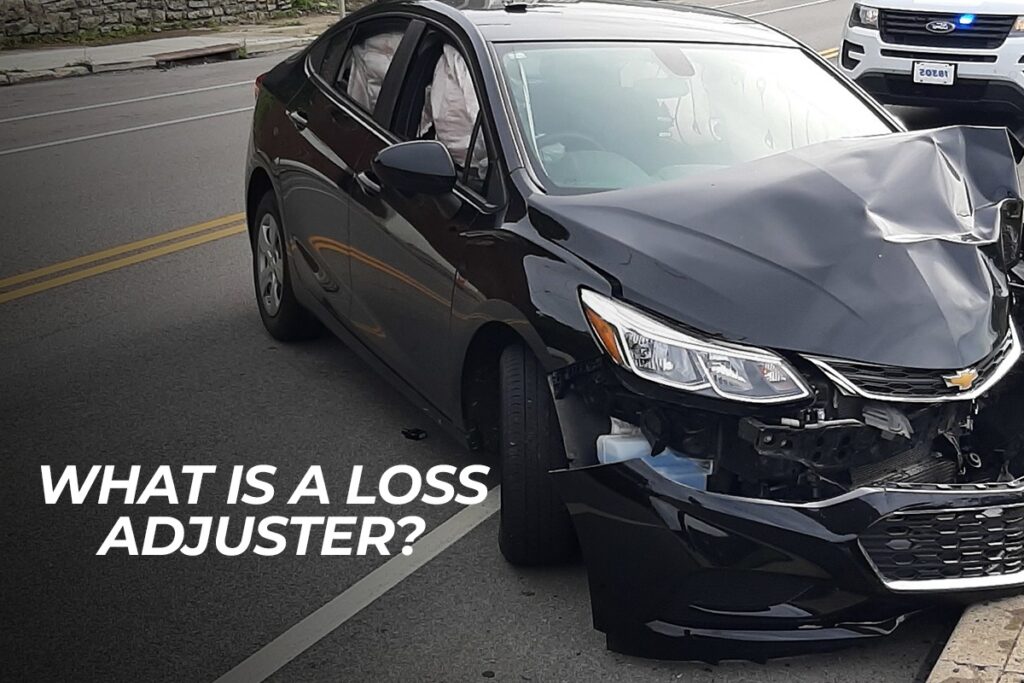
You may have made an insurance claim after an accident, fire, flood, or other severe loss, and just heard about a professional called a loss adjuster. But what is a loss adjuster? What is the role of a loss adjuster? And how do they affect your claim?
If you have never dealt with one before, the process can feel confusing. Some people think that loss adjusters are there to lower their payout, while others consider them as a beneficial connection between them and the insurance company.
Therefore, I am here today with a detailed guideline on loss adjusters, their role in the insurance claims process, and how they can impact your insurance settlement. You will also understand the difference between loss adjusters and loss assessors, as well as some tips to work with them.
Contents
- What is a Loss Adjuster?
- Who Hires a Loss Adjuster?
- What is a Large Loss Adjuster?
- What is a Total Loss Adjuster?
- What is a Claim Loss Adjuster?
- What is one of the most important responsibilities of a claim adjuster?
- What Is the Role of a Loss Adjuster?
- How Should I prepare for a Loss Adjuster Visit?
- What should you not say to a loss adjuster?
- What Loss Adjusters Will Look for During Their Visit
- Who Pays a Loss Adjuster?
- How much does a loss adjuster charge?
- Are Loss Adjusters Biased?
- Can A Loss Adjuster Refuse a Claim?
- How Can I appeal a Loss Adjuster’s Decision?
- What are the Complaints about Loss Adjusters?
- What is the Difference Between a Loss Adjuster and a Loss Assessor?
- Final Thoughts
- FAQ
What is a Loss Adjuster?
A loss adjuster is an independent professional who examines an insurance claim on behalf of the insurance company. Their main role is to look into the claim, make sure it is valid according to the policy, and provide a fair amount for the settlement based on the conditions of the insurance agreement.
Who Hires a Loss Adjuster?
Insurance companies hire loss adjusters to deal with claims. The loss adjuster is the insurance company’s professional who evaluates the claim. They strive to protect the insurer’s interests by ensuring that claims paid out align with the policy’s coverage.
A policyholder can also hire a loss adjuster, but this is less usual.
What is a Large Loss Adjuster?
A large loss adjuster is also a loss adjuster who handles complicated or high-value claims. A regular loss adjuster can help with minor car accidents or small property damage, but a large loss adjuster is called in when the stakes are considerably higher.
These allegations usually include:
- Serious damage to property, like house fires, industry explosions, and floods that ruin a lot of homes
- Big business claims include business interruption, supply chain losses, and cyber-attacks
- High-value personal claims, including gold, art, luxury residences, or expensive cars
- Catastrophic events, like hurricanes, earthquakes, or big accidents
What is a Total Loss Adjuster?
A total loss adjuster is an insurance expert who deals with claims where the insured object, whether a car, motorcycle, property, or other asset, is thought to be a total loss.
If you don’t have a clear concept of total loss, let me explain.
Your property will be considered a total loss when
- The cost of repairs is more than the item’s worth (for example, it would cost £7,000 to fix an automobile worth £5,000).
- The thing is broken beyond repair (for example, a house that is unsafe to live in after a fire).
- The object is taken and not found.
In these situations, the insurance company doesn’t pay for repairs; instead, they offer a settlement equivalent to the item’s market value (minus any excess).
What is a Claim Loss Adjuster?
A claim loss adjuster is an insurance expert who works for an insurance company and is in charge of evaluating, looking into, and handling insurance claims.
People frequently just call them loss adjusters, but the term “claim loss adjuster” makes it clear that they are involved in the claims process.
What is one of the most important responsibilities of a claim adjuster?
One of the most important responsibilities of a claim adjuster is to investigate and evaluate insurance claims fairly and accurately to figure out how much the insurer should pay the policyholder. Their core duty is to check
- If the insurance coverage covers the claim.
- The reason for the loss, such as a fire, theft, accident, or flood.
- The amount of harm or money lost.
- How much the insurance company should give the insured.
In brief, they are the insurance company’s eyes and ears throughout a claim.
Now that you have a thorough idea of a loss adjuster, let’s see “what does a loss adjuster do?”
What Is the Role of a Loss Adjuster?
During the claims process, loss adjusters do a number of important tasks. Here I am going to talk about their main responsibilities.
Claim Investigation
At the start, the loss adjusters thoroughly review every aspect of your claim. This could mean talking to the persons involved, getting proof, and looking over the insurance policy to make sure it covers everything.
Site Inspections
Loss adjusters will go to the site to see the damage for themselves if you file a claim for physical damage, like a fire or flood. Their observations help them make accurate guesses about how much repairs or replacements will cost.
Look Over Policy Terms
Every claim must be in line with the rules of the insurance policy. The loss adjuster makes sure that the claim is covered and looks for any exclusions or exceptional situations.
Suggest a Settlement Offer
After reviewing the damage, the claim adjuster will propose a settlement amount. This decision will be based on the estimated repair costs, an assessment of the overall loss, and the specifics of your insurance policy coverage.
Write a Claim Report
Then, the loss adjuster will make a detailed report for the insurance company based on their investigation. This report will show what they found, how they came to their conclusions, and what they recommend the insurance company should do next.
A Loss Adjuster is coming to your house. Are you worried about that? Don’t worry, and go through the next part to be well-prepared for that.
How Should I prepare for a Loss Adjuster Visit?
If you get ready for a visit from a Loss Adjuster, it will help ensure that your insurance claim is assessed quickly and easily. So, how can I help the loss adjuster speed up the process? Here are some tips for dealing with a loss adjuster.
1. Get your paperwork ready
First, you need to collect all documents related to the loss or damage, such as receipts, bills, photos, and insurance policy documents. Besides, if you organise the paperwork, it will help the loss adjuster easily analyse your claim.
2. Make a List of the damaged items
List everything lost or destroyed. I suggets you include all the descriptions, rough valuations, and any documentation, such as receipts or photos. This list will assist the loss adjuster in calculating your loss and ensuring nothing is missed.
3. Take Pictures of Damaged Properties
Take pictures or videos of the damaged locations or things before the Loss Adjuster gets there. This visual proof might help your case and give a clear picture of what things were like when the loss happened.
4. Get ready to Provide Detailed Information
The Loss Adjuster may ask about the loss or damage during the appointment. Provide accurate and complete information about the incident, including date, time, cause, and preceding events. A precise and consistent report can help the loss adjuster do their task accordingly.
5. Keep a Record
During the visit, the loss adjuster will talk to you and you need to make notes of what they saw and what they tell. If there are any issues or disagreements that come up later in the claims process, this record can help you.
Write down any conversations or observations that the loss adjuster makes during the visit, . This record can help you if there are any problems or differences that come up later in the claims process.
6. Ask Questions
If you have any questions or worries about the claims process, don’t be afraid to ask the loss adjuster. always remember that they are here to help you and give you advice.
7. Work Together and Be Honest
You should work with the Loss Adjuster and give them honest and correct information. If you try to lie about the facts or make the loss seem worse than it is, it could have a negative impact on your claim.
Moreover, certain statements can harm your claim, reduce your settlement, or even cause your claim to be rejected. Then, what are those? Find your answer below.
What should you not say to a loss adjuster?
Here are the main things you should avoid saying:
It was my fault.
Even if you think you could have been partly to blame, don’t accept it right away. If you admit fault early, your insurance company may have cause to lower or refuse your claim.
“I think…” or Guessing Details
If you’re not sure what caused the occurrence, don’t guess. Stay with the facts and let the experts look into it.
I don’t have receipts, but it was expensive.
Evidence is important to loss adjusters. Don’t make ambiguous or inflated assertions about how much something is worth. Instead, get receipts, bank records, warranties, or pictures to show that you own the item and how much it cost, like I suggested earlier.
It doesn’t matter, just pay me quickly.
This will make it seem like you are more interested in money than getting things right. Loss adjusters can see this as a sign that you are making your claim seem bigger than it is.
Take your time, I’m in no rush.
Claims should be settled quickly. Saying this could make your case less urgent and delay your settlement for no reason.
Exaggerating or Lying About Losses
Never overstate damage or claim for items that weren’t lost. If you make a false claim, you might lose all of your coverage and potentially face criminal prosecution.
Sharing Too Much Unnecessary Information
Honesty is important, but don’t give extra information that could make your claim more complicated.
For instance:
“The house was unlocked because I was away for the weekend.” (They may wonder if you were careless.)
“The car was already scratched.” (May lower the settlement on unrelated damage.)
If you follow these procedures, it will be much easier to work with a Loss Adjuster and make sure that your insurance claim is handled quickly and correctly.
You may be wondering about what a loss adjuster will do when they come to visit. Check out the section below to know that.
What Loss Adjusters Will Look for During Their Visit
So, what happens after a loss adjuster comes? Loss adjusters are hired to find out what happened that led to the claim.
- When they come to your house, they will look for:
The reason for the incident
The worth of the harm or loss
If your house insurance coverage really does cover the damage
If you have or haven’t satisfied the terms and conditions of your policy
If the amount you are asking for is fair and correct
Loss adjusters often take pictures of any damage they may see to put in their report. They might also ask you certain questions that could make you uncomfortable to make sure your claim isn’t fake.
- A loss adjuster will look at how much you asked for after they have figured out what caused your claim and how much it would cost to fix it.
- After they leave, they will create a report and send it to your insurance company. You will also get a copy.
Who Pays a Loss Adjuster?
The insurance company usually pays loss adjusters as the insurer hires them to work on behalf of their company to evaluate a claim and calculate how much should be paid.
What are Loss Adjuster Fees?
Loss adjuster fees are usually based on either a fixed rate or a percentage of the claim value.
How much does a loss adjuster charge?
The insurer usually pays the loss adjuster a fixed charge for small or simple claims, worth around £300-£800. Their fees are also paid depending on the percentage of the claim amount, typically 5%-10% for larger or complex claims.
Are Loss Adjusters Biased?
Are loss adjusters impartial?
Yes, loss adjusters must remain impartial. Their goal isn’t to lower your claim on purpose to save your insurer money, even if they legally work for insurance companies.
In some circumstances, they can say that you are not asking for enough money and raise the amount of money you get at the end.
Loss adjusters are independent professionals, and they also have their own codes of conduct. They are governed by the two following organisations
• The Association of British Insurers
• The Chartered Institute of Loss Adjusters
They also need to abide by the rules that are set by the Financial Conduct Authority (FCA).
Can A Loss Adjuster Refuse a Claim?
Yes, in some circumstances, a loss adjuster makes the final judgment on your claim, and they may reject it based on what they find. This all depends on the deal they made with your insurance company.
Some insurance companies may accept the loss adjuster’s report right away, while others may only see it as a suggestion and take it into account along with their own expert’s opinion.
If you claim, it may be turned down if:
- You don’t have the right level of insurance coverage.
- The damage is caused by normal wear and tear.
- You are not giving all the information.
- Your claim doesn’t meet the terms and conditions of your policy.
But what if you don’t agree with the loss adjuster’s assessment? Then, you can appeal their decision.
How Can I appeal a Loss Adjuster’s Decision?
You can appeal if your insurance company rejects your claim because of the loss adjuster’s report. To do this, you need to get ready and explain why you think the loss adjuster’s and insurer’s decision is wrong or unfair.
Be as exact as you can, and include things like the timeline of events from the occurrence that led to the claim to the time they decided to turn it down.
You can inform the Financial Ombudsman Service within six months after the insurer’s decision if you are still unhappy with the outcome of your appeal. As part of an independent investigation, the Ombudsman can look at both sides and come to a conclusion.
You can also hire a loss assessor through their trade group, the Institute of Public Loss Assessors. They will take care of all the paperwork and other business for you.
Before you hire a loss assessor, make sure they are registered with the FCA by looking them up in The Financial Services Register.
What are the Complaints about Loss Adjusters?
The most common complaints about loss adjusters include undervaluing claims, causing delays, poor communication, bias towards insurers, and challenging valid claims.
While loss adjusters are there to ensure fairness, you may feel disadvantaged, as some policyholders may face some problems with loss adjusters.
If you are unhappy with how the loss adjuster handles your case, you have the right to challenge their findings or hire a loss assessor to support your claim, as I said earlier.
What is the Difference Between a Loss Adjuster and a Loss Assessor?
Loss adjusters are hired by your insurance provider, whereas a loss assessor is someone you can employ to liaise with the loss adjuster on your behalf.
You can appoint a loss assessor at any point in the process, but most people only do this when they don’t like the loss adjuster’s assessment or the choice made by their insurance company.
Final Thoughts
So, what is a loss adjuster?
A loss adjuster is the key player in the insurance claim process. Though they work for insurance companies, their role is to investigate claims honestly, figure out the damages, and suggest a fair settlement.
As a policyholder, if you understand their role, it can reduce your stress and help you prepare better for the claims journey. When you deal with them, always be open, organised, and proactive.
If you are not sure or think your claim isn’t being valued properly, you should hire a loss assessor to get expert guidance and to safeguard your interests.
FAQ
What is the purpose of an adjuster?
The main job of a loss adjuster or claim adjuster is to investigate and evaluate insurance claims for the insurance company. They figure out if the insurance covers a loss, how bad the damage is, and how much money to pay. Loss adjusters are independent evaluators of a claim who make sure that the insurer gets a fair deal.
When Do You Need a Loss Adjuster?
You need a loss adjuster for large, complex, or high-value insurance claims like fire, flood, burglary, major car accident, or financial losses, where the insurance provider must assess the cause, the extent of damage, and the settlement amount.
What is a Loss Adjustment Expense?
A Loss Adjustment Expense (LAE) is the money an insurance company spends to investigate, manage, and settle claims. These aren’t the real claim payouts to policyholders, such as the cost of repairs or replacements. Instead, they are the costs of processing the claim.